

















The Jamesport-based Turtle Rescue of the Hamptons says a record number of turtles have been killed this spring on the North Fork as the animals emerge from hibernation.
Just last week, 36 turtles were found dead or had to be euthanized because of traumatic injuries, the nonprofit organization said in a press release this morning.
Turtle Rescue of the Hamptons founder Karen Testa called the rate at which turtles are being killed by motorists this spring “alarming.” What’s been happening is something she hasn’t seen before in the 12 years she’s been running the rescue organization.
“In one day, we lost 10 turtles,” she said. This year’s toll so far is double last years, Testa said.
Several of the 36 turtles killed or euthanized because of traumatic injuries last week had lived for 40 years, Testa said.
Testa has two words she wants every resident and visitor to hear and heed: “Slow down!” The “turtle carnage” is taking place because people are driving to fast and are not looking out for them, she said.
“Turtles are just waking up from six months of hibernation right now. They’re very slow,” Testa said.
And they’re being hit by cars, many with their eggs exposed, she said.
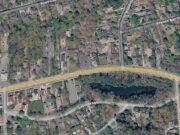
One of the most deadly roads for turtle crossings is on Osborn Avenue near Middle Road in Riverhead. Others are County Road 51 in Riverside and Chapel Road in Greenport. There are wetlands on both sides of the roads in those locations.
The turtle strikes continue despite signs being posted in areas known to be the most dangerous for turtles.

Other turtles died after they were hit by lawnmowers or weed wackers.
There are likely many more turtle injuries and fatalities that aren’t being reported, Testa said.
Turtles go into hibernation underground every fall when temperatures get colder, Testa explained in a phone interview this morning. With the arrival of spring’s warmer temperatures, the cold-blooded animals become active again and emerge from hibernation in search of their first meal and a place to make a nest and lay their eggs, she said.
Motorists who strike turtles in the road often assume they’ve been killed, but often that isn’t the case. “Turtles do everything slow, even dying,” Testa said. An injured turtle can lie in the road suffering from the injury and the heat of the sun for more than a day.
She asks motorists who strike turtles to stop and call the turtle rescue organization at 631-779-3737 or bring it to the nearest 24-hour emergency veterinarian, animal hospital or shelter.
Most importantly, motorists should watch out for turtles in the roads now, Testa said.
Once they find a place to nest and lay their eggs, turtles are inactive again for the summer, avoiding the heat. “In the middle of summer, when it’s real, real hot, you barely see them,” Testa said. They become active again in the fall, when they seek out the habitat they need to burrow underground for winter hibernation, which lasts about six months.
“They’re only active twice a year, can we just give them a break?” Testa asked. Slow down, keep your eye out and — literally — give them a brake, she said.
Testa said the rescue is currently caring for about 200 turtles at its Manor Lane, Jamesport facility. The numbers are overwhelming.
A state-licensed wildlife rescue rehabilitator, Testa said the rescue group’s goal is to nurture the animals back to health and release them. The rescue also provides a permanent home for turtles that have suffered permanent disabilities from injuries and can’t be released into the wild.
“We need to respect wildlife — all wildlife, including turtles,” Testa said.
Turtles and all wildlife are protected under New York State law. It is illegal to capture them and keep them captive.
Turtles are a “keystone species,” meaning the ecosystem depends on them, Testa said. “If they drop out of our ecosystem, it’s going to be unbalanced, then it could collapse,” she said.
“They’re also an indicator species, which means if a lot of them get sick, that’s telling us there’s something wrong with our ecosystem,” Testa said.
Turtles are “ground creatures” that absorb through their skin chemicals sprayed on the ground to control weeds and pests. If they’re getting sick and dying, it’s an indication that there’s something off balance with our ecosystem.”
People have to understand that how they behave — the way they drive, the way they use the land, the products they use in their homes and dispose of in landfills and elsewhere — greatly impacts the other creatures we coexist with on Earth, Testa said.
To learn more about native turtles and what to do to help them and how to avoid harming them, visit Turtle Rescue of the Hamptons’ website.
The nonprofit rescue group does not receive government funding and relies on donations to do its work. Testa said the organization is especially in need of community support this spring with the increased workload providing care for an influx of injured turtles. There is information on how to donate on the group’s website.
The survival of local journalism depends on your support.
We are a small family-owned operation. You rely on us to stay informed, and we depend on you to make our work possible. Just a few dollars can help us continue to bring this important service to our community.
Support RiverheadLOCAL today.
