

























To the Editor:
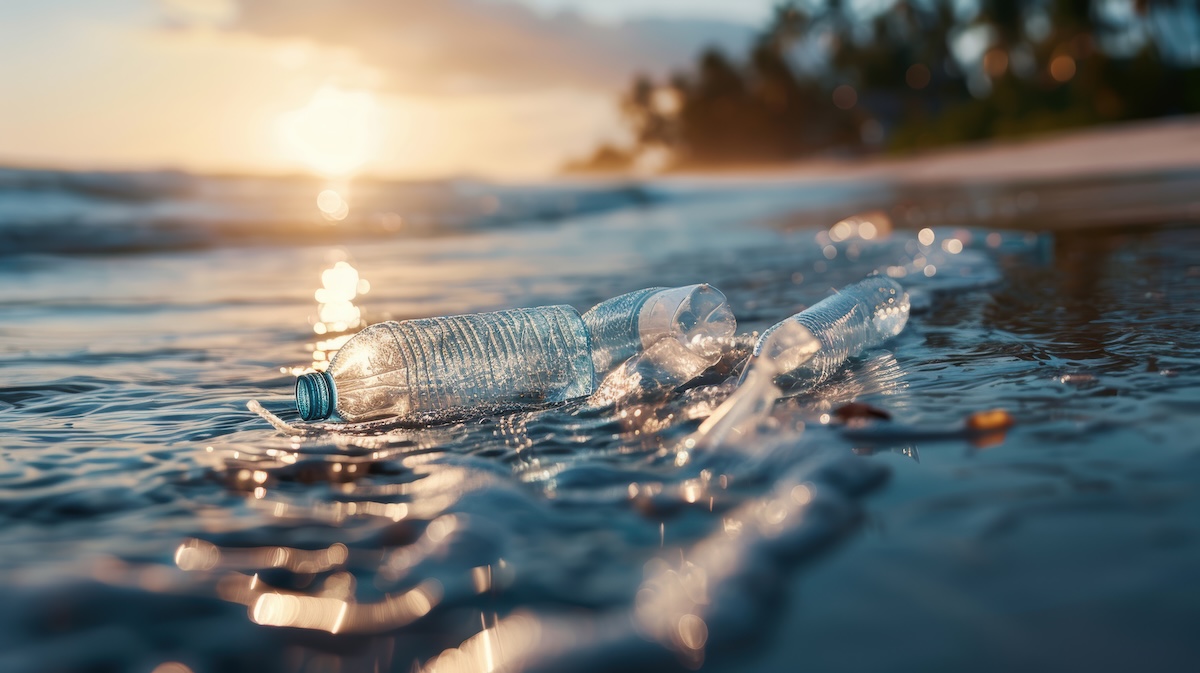
I have lived in Southampton Town my entire life, learning to swim and surf in our waves. But over the years, I’ve watched something besides tourists accumulate on our beaches: a tide of plastic waste arriving faster every season.
Every day, thousands of takeout orders go out stuffed with plastic forks, napkins, condiment packets, and stirrers — “stuff” nobody asked for and most of us toss straight in the trash. In just over four years, Surfrider Eastern Long Island volunteers have pulled more than 1,425 pieces of takeout “stuff” off our beaches alone: 687 plastic utensils, 335 plastic stirrers, 340 paper napkins, and 63 wooden stirrers. This waste threatens beaches that draw tens of thousands of tourists and roughly $8 billion a year to our local economy, per New York State’s Tourism Economics report.
Protect our beaches, protect our economy: it’s time for Southampton Town to pass a “Skip the Stuff” ordinance.
These laws are simple: they ban nothing. They just flip the default. Instead of automatically loading every order with extra utensils, restaurants would let customers request them or grab their own. Want a fork? You get one. Don’t need one? It stays out of the landfill and off our beaches.
This isn’t radical or untested. Skip the Stuff has passed in cities
nationwide, and on the East End, East Hampton Village and Sag Harbor
Village have already adopted it, with Sagaponack and Southampton
Villages passing supporting resolutions this year. Southampton Town
needs to be next.
The case is overwhelming. Restaurants nationally spend roughly $20 billion a year on single-use items. A Red Bank, New Jersey study found Skip the Stuff policies cut “stuff” going out the door by 75% — savings straight into owners’ pockets. And 98% of online takeout orders are eaten at home or in an office, where reusable utensils are already available.
The stakes go beyond clutter. Americans use roughly 1 trillion disposable foodware items yearly, generating nine million tons of waste that ends up in landfills or oceans. Plastic doesn’t break down; it fragments into microplastics now found in our drinking water, blood, and even placentas, with the burden falling hardest on underserved communities.
I’ve seen firsthand that utensils and napkins are among the most common items pulled from our beaches. I urge our Town Board to take up this ordinance without delay — for our restaurants, our beaches, our economy, and our health.
Danielle Freda
East Quogue
The writer is an intern at Surfrider Foundation Eastern Long Island and a chapter coordinator of ReWild Long Island
The survival of local journalism depends on your support.
We are a small family-owned operation. You rely on us to stay informed, and we depend on you to make our work possible. Just a few dollars can help us continue to bring this important service to our community.
Support RiverheadLOCAL today.
