


















For six decades, Alfred Weissman Real Estate, a family-owned business established by my father, has been dedicated to ensuring that our developments contribute positively to the communities where we operate. Our proposed agri-tourism project in Riverhead is designed with that same commitment in mind, aiming to strengthen the local economy, preserve the town’s rural charm, and honor its natural beauty. However, we’ve noticed some confusion surrounding this proposal, and I’d like to clarify what it actually entails.
Riverhead has approximately 7,000 acres of undeveloped farmland, a vast expanse that, if developed into residential units, could significantly strain local infrastructure, increasing traffic and put pressure on an already burdened school system. Much of this farmland lies within the R80 zone, where current zoning allows for one home per two acres. Over recent decades, the pace of residential development has quickened, driving up the cost of farmland with development rights and placing additional financial burdens on local farmers, who face tough choices about their future.
This proposed legislation, although it only affects a few large parcels, introduces a thoughtful approach to land use, offering a less dense and less disruptive alternative to traditional residential development. This is a strategy that has been successfully implemented in farming communities across the nation.
We have a similar project in Southern Vermont, where we are revitalizing a historic property that was once part of the largest fruit orchard in the United States. That project includes restoring a significant architectural landmark listed on the National Registry of Historic Places, with a landscape originally designed by Frederick Law Olmsted, the mastermind behind Central Park in New York City.
For Riverhead, our goal is to create a low-rise, low density, high-end, eco-friendly farm-to-table hotel and spa on an active farm. This development promises substantial property tax revenue for the town, providing essential funds for local services without adding any strain to the school system. Importantly, since the development will not bring new children into the school district, the existing student body will continue to receive focused attention, enhanced by the additional financial resources. We will not be applying for any local tax benefits or incentives.
Beyond financial benefits, our project is deeply rooted in the preservation of Riverhead’s agricultural heritage. Through participation in the Transfer of Development Rights (TDR) program, we will financially support local farmers, enabling them to continue cultivating their land and preserving the town’s farming legacy. This approach not only benefits the farming community but also ensures that valuable farmland remains undeveloped.
The economic impact of our project extends beyond property taxes and farmland preservation. The construction phase will generate numerous well-paying jobs, and once operational, the resort will offer stable employment opportunities for local residents. Our farm-to-table restaurant will source produce and other goods from nearby farms, directly supporting the local agricultural economy. We also intend to collaborate with local farmers, allowing them to plant and harvest on our property, further strengthening our ties to the agricultural community.
We are aware that traffic is a concern for Riverhead residents. Our small-scale hotel is designed to have a minimal impact on local traffic, with guests arriving and departing at staggered times throughout the day, primarily outside of peak hours. Additionally, as a resort, many guests will spend most of their time on-site, reducing potential congestion in surrounding areas. Resort use creates far less traffic than residential and agri-tainment, which are both as-of-right uses.
Lastly, our project includes significant setbacks from Sound Avenue, preserving the scenic views that make Riverhead special. These setbacks ensure that our development remains unobtrusive, allowing the area’s natural beauty to continue being a focal point for residents and visitors alike.
We believe this project represents a balanced and thoughtful approach to development in Riverhead, offering economic, environmental, and aesthetic benefits while respecting the town’s cherished way of life. We look forward to working closely with the community to bring this vision to life.
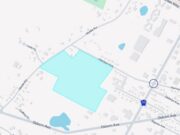
Alan Weissman is the CEO of Alfred Weissman Real Estate, which has proposed building a resort hotel and spa on a 105-acre site in Riverhead north of Sound Avenue, west of Doctors Path.
Editor’s note: RiverheadLOCAL welcomes guest columns from anyone who wants to submit a viewpoint on any topic. The opinions expressed in guest columns are those of the author and do not reflect the point of view of RiverheadLOCAL’s publishers. Please be sure to include your email address and daytime phone number with your submission. Submit your opinion here.
The survival of local journalism depends on your support.
We are a small family-owned operation. You rely on us to stay informed, and we depend on you to make our work possible. Just a few dollars can help us continue to bring this important service to our community.
Support RiverheadLOCAL today.
