











There’s a funny thing about the American Dream. You chase it for decades—through smoke, sirens, funerals, low pay, high danger, neighborhoods politicians only remember when they need a backdrop—and if you’re lucky, it finally lets you sit down.
I grew up in New York City when it still punched you in the mouth just for walking out the door. Our apartment looked out on railroad tracks and a coal yard. If you’re old enough to remember the way coal dust tastes—gritty, metallic, settling in your lungs like a tenant who refuses to leave—then you know. Right next to that was a lumber yard. Trucks, dust, noise. That was the soundtrack. We swam in New York Harbor, water so polluted you half-expected it to glow in the dark. You didn’t need a Fitbit back then; the city measured your heart rate for you.
Then I spent 27 years in the FDNY, working in neighborhoods most people only know from sad documentaries. I carried families out of burning buildings and watched entire blocks try to hold onto dignity while the city forgot they existed. All I ever wanted—my only prayer—was that the people I served would someday make it out whole. Some did. Many didn’t. That’s the math of the job.
And somehow, after all that, my wife and I made it out. Fifty-six years we’ve been married. We found our little corner of heaven out here, a tiny house tucked up next to a Nature Preserve—a phrase I used to think was government poetry until I learned it actually meant something. Every morning we’d sit in the yard and watch the hawks, the groundhogs, the deer. The turkeys marching through like they owned the place. Even the turtles—painted turtles, box turtles, the shy little bog turtles that evolution basically forced into the witness protection program.
Some of them live to be eighty. Imagine that. A creature half the size of a dinner plate outliving mayors, governors, congressmen, and most of the promises they made.
Every year the turtles crossed the road to the wetlands like clockwork. We hung signs—Slow, Turtle Crossing. I probably carried dozens of them across myself, hoping nobody would come barreling around the bend doing forty, because people treat a two-lane road like a racetrack until they need it to be a lifeline.
And on the other side of all that open space lived the old farmer. A relic of the Long Island that used to exist before land turned into an ATM for developers. Bitter maybe, quiet definitely. But he had land, sky, and a tractor, and that seemed to be enough. When he died, we lost more than a neighbor. We lost the last thread holding this place together.
Thirteen acres passed to his family. They sold five. And guess who bought it? A cannabis company. Because that’s the new American miracle—if you’ve got money, you don’t need roots, community, or a conscience. You just need zoning.
They want to build a 35,000-square-foot “greenhouse.” That word makes it sound gentle, almost wholesome. Tomatoes and basil and someone’s sweet old aunt tending potted herbs. Reality? Twenty-eight feet tall. Opaque metal walls. No windows. A big plastic roof. Machinery everywhere. HVAC units humming like a battleship. VLOCs, terpenes, whatever alphabet soup they’re planning to exhale into the air. Enough odor, they say, to “manage.” Enough emissions, they say, to “mitigate.” Enough poison, I suspect, to kill everything with a pulse that isn’t on their payroll.
Five hundred feet from my house. Five hundred feet from my wife, who can’t walk fifty feet without her inhalers because Emphysema and COPD and Lupus don’t negotiate. Five hundred feet from the last years we thought we’d earned.
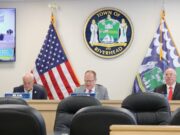
And the town? The town shrugs. “They pay taxes.” As though the 106-year-old woman in our community didn’t. As though the rest of us haven’t. As though the turtles—older than the oldest of us—don’t count because they don’t file returns.
It’s a SEQRA Type 2 project, they say. No environmental review needed. No harm, according to the paperwork. Meanwhile the hawks will vanish, the groundhogs will scatter, the bog turtles will die quietly in the bog that gave them their name. No harm done, right?
I can’t pronounce SEQRA. But I know what failure looks like. It looks like a town claiming blindness to avoid seeing the damage it’s about to cause. It looks like a community of seniors and retirees—people who gave their entire lives to the world—being told to shut up and breathe whatever chemical cocktail the highest bidder wants to pump into the air.
It looks like my wife and me realizing we’re too old to move again. That the place we thought we’d spend the rest of our lives is now a testing ground for someone else’s profit margins. That the turtles who survived eighty years on this earth won’t survive this.
And the town calls it progress.
We call it a death sentence delivered with a smile and a tax bill.
This is the part where I’m supposed to say something hopeful, something about fighting back or rising up. But I’ve lived long enough to know that sometimes the only honest thing you can do is bear witness. Say the quiet part out loud. Refuse to pretend that poisoning old people and wiping out wildlife is just a difference of opinion.
The town won’t hear the frogs go silent. They won’t see the turtles disappear. They won’t sit next to my wife when she can’t catch her breath.
But maybe you will. Maybe someone will read this and remember that open space isn’t just land—it’s life. Maybe someone will look five hundred feet down the road and understand why we’re heartbroken, furious, and out of time.
This is where it ends, apparently.
Full circle.
God Bless America.
The survival of local journalism depends on your support.
We are a small family-owned operation. You rely on us to stay informed, and we depend on you to make our work possible. Just a few dollars can help us continue to bring this important service to our community.
Support RiverheadLOCAL today.
