























Extensive habitat restoration and trail improvements have been completed at the 100-acre Broad Cove Preserve in Aquebogue.
Broad Cove Preserve, one of the largest remaining tracts of open space in the Peconic Estuary, was added to New York State Birding Trail this spring.
See photo gallery below
The site includes more than 8,000 feet of frontage on Terry Creek and Broad Cove in Flanders Bay, an embayment within the Peconic Estuary, an Estuary of National Significance. It is home to a broad array of wildlife, including white-tailed deer, the federally endangered northern long-eared bat, osprey and eastern wild turkey, and it lies within the Atlantic Flyway for migrating birds, officials said.
The New York State Department of Environmental Conservation this week announced the habitat restoration and trail improvements, which included invasive species removal, restoration of native habitat, trail realignment and expansion, and improvements to waterfront access and wildlife observation areas.
More than 5,000 native grass plugs and native wildflowers were planted with support from the DEC Invasive Species Grant Program and other funding sources, according to officials.
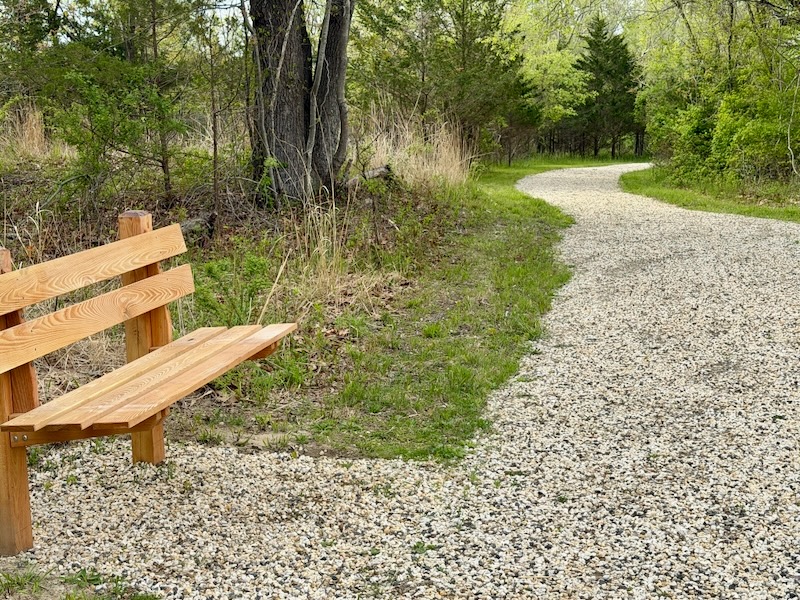
Trail improvements rerouted existing footpaths and roads to reduce erosion, protect sensitive habitat and improve accessibility. New trail segments now lead visitors through meadow, woodland and coastal habitats.
A new trail also provides access to a waterfront viewing area overlooking Flanders Bay, where a Chronolog Station — part of a citizen science project led by Peconic Baykeeper — has been installed.
Additional benches and observation points were added throughout the preserve to support birdwatching and quiet enjoyment of the property.
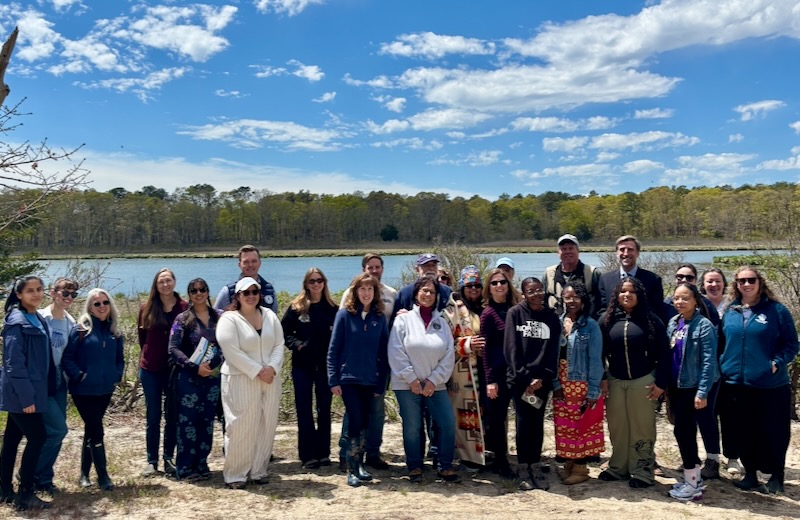
Representatives from DEC, Peconic Land Trust and conservation organizations, along with local elected officials, gathered at the preserve Thursday morning to celebrate the environmental improvements and the site’s recent addition to the New York State Birding Trail.
“Improving the habitat and recreational opportunities at Broad Cove Preserve, one of the largest remaining tracts of open space in the Peconic Estuary, is a significant investment in the region’s future,” DEC Regional Director Cathy Haas said in a statement. “By safeguarding these forests, shorelines and wetlands, we protect clean water, strengthen climate resilience, and ensure that communities have access to outdoor recreational opportunities,” she said.
The long road to preservation
Peconic Land Trust purchased the site for $11.5 million in December 2021 to preserve it from development. Last year, DEC purchased a conservation easement with $10.95 million from the State Environmental Protection Fund, completing funding for the project.
The easement prohibits development while assuring public access in perpetuity, Gov. Kathy Hochul said in a press release announcing the easement in December. Peconic Land Trust retains title to the property and will jointly manage its natural resources with DEC, Hochul said.
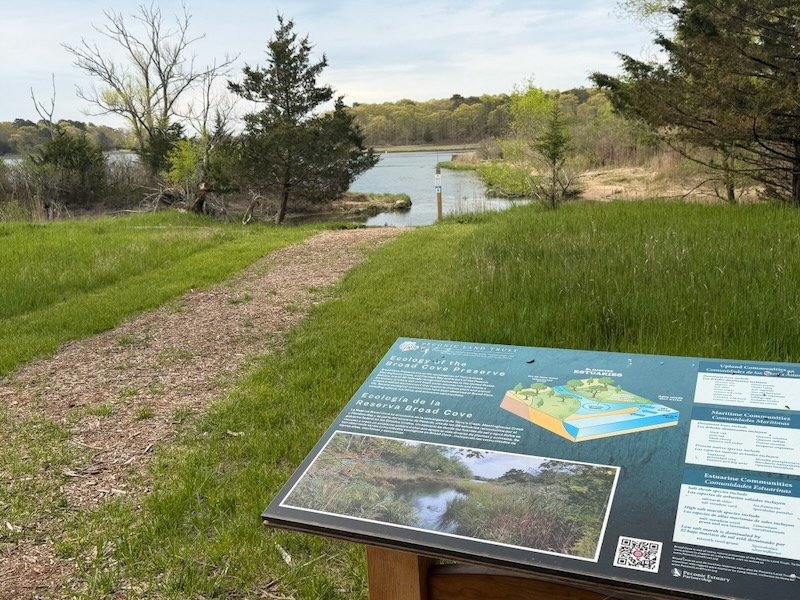
“Our partnership continues as we restore habitat, build trails, and provide bilingual signage and benches that make the preserve accessible to wildlife and people alike,” Peconic Land Trust President John Halsey said.
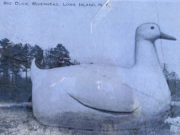
Prior to the purchase by Peconic Land Trust, the 100-acre property, the former Celic duck farm, was the subject of various development proposals. The Broad Cove property had been on state, county and town acquisition lists for decades.
Riverhead Town in 1975 issued permits to a prior landowner to build 500 condominium units and boat slips on the site. The permits were invalidated by a state court in the early 1990s in a lawsuit brought by the North Fork Environmental Council.
Suffolk County attempted to purchase the property in 1999, offering $8.5 million, but the deal fell apart the following year when the owner announced a contract with a private buyer.
In 2004, Riverhead Town adopted the Tourism Resort Campus zoning use district, the site’s current zoning, which allows resort development including hotels, country clubs, resorts, restaurants and catering halls.
Suffolk County again made an effort to buy the site in 2015.
In 2016, a developer proposed to build out the site with a 450-room hotel and 50 villas, plus a health spa, banquet facilities, clubhouse and shops.
RiverheadLOCAL photos by Peter Blasl


The survival of local journalism depends on your support.
We are a small family-owned operation. You rely on us to stay informed, and we depend on you to make our work possible. Just a few dollars can help us continue to bring this important service to our community.
Support RiverheadLOCAL today.
