



























Women: What’s your heart health IQ? Here’s what all women need to know about heart disease — and how your symptoms and risks of a heart attack are different than a man’s. This week’s ‘Dr. Mom.’
Red is my favorite color… always has been. I think it stems from my favorite movie, The Wizard of Oz, and my lifelong love of Dorothy’s dazzling ruby red slippers. They symbolize so many things that are important to me – love, passion, womanhood, family, home, the power to control your own destiny.
Remember how no one could remove the slippers from her feet? Remember how the magical shoes safely guided her to all the answers she needed? Remember that clicking her heels initiated the journey back to her home, her safety.
Where am I going with this? When I started writing today, I wasn’t sure. As I type the correlations are becoming more clear.
Next Friday, February 1st is National Wear Red Day for Women’s Heart Health. For 10 years now, the American Heart Association has asked the world to wear red on a day intended to bring attention to and educate about the leading killer of women – heart disease. Notably, the understanding and perceptions of women’s heart disease has changed dramatically in our favor since initiating this awareness day.
Together with some of the resident physicians, we have created a hospital-wide celebration of the day. In the main lobby of Peconic Bay Medical Center, all day on Friday, Feb. 1, the community is welcome to join in the following heart-healthy activities:
– A health education table with tons of free health information on Women’s Heart Health;
– Free blood pressure and cholesterol screenings;
– Physicians available to review risk factors for heart disease, stroke prevention and recognition;
– Red heart-healthy lunches available in the Twin Forks Dining Room;
– Discounts in The Bay, the hospital’s gift shop for anyone wearing red.
– A noon lecture on Women’s Heart Health given by Nurse Practitioner Jenny Lowenthal of East End Cardiology.
– Raffles and giveaways
BUT, you must come wearing red in order to get your freebies!
If you’re stuck in Munchkinland and you can’t make it to the event, here’s the Reader’s Digest version of what you need to know.
1. Heart disease affects the circulatory and cardiovascular systems. Risk factors including age, race, medical and family history, obesity, and smoking history combine to define your individual risk. Atherosclerosis is a build-up of plaque in the blood vessels which can lead to elevated blood pressure, heart attacks, congestive heart failure, abnormal heart rhythms, valve problems and strokes.
2. Heart disease is the leading killer of women. Period. It kills more women than all cancers combined. In fact, one woman dies of heart disease EVERY MINUTE. That’s one in three women each year.
3. The risk of heart disease can vary depending on your age, race, and other medical conditions. For example, Hispanic women are likely to develop heart disease 10 years earlier than Caucasian women. And almost 47 percent of African-American women over the age of 20 have some form of heart disease. Women with high blood pressure, high cholesterol and diabetes are at significantly higher risk than those without these common medical conditions.
4. The symptoms of heart disease are different for women than they are for men. They include chest pain or pressure; shortness of breath with or without chest pain; pain in the jaw, face, arms, back; sweating, lightheadedness and dizziness, nausea and vomiting. Some women will complain of feeling different than usual with no describable change. Although many of those symptoms are the same for men, women are more likely to experience the vague symptoms such as face, jaw and arm pain. Otherwise healthy women often dismiss warning signs because they aren’t aware that they are at risk for heart disease OR they think it will not happen to them.
5. There’s a saying in medicine, “Time = Brain.” That means that for every minute of time that passes where a stroke is not recognized and treated, there is an increased likelihood that brain tissue is dying. Those with heart disease are at significantly increased risk of stroke. Symptoms of stroke are as follows: Sudden onset of neurologic symptoms such as weakness, loss of motor function (usually on one side of the face or body), confusion, difficulty speaking or swallowing, loss of balance or coordination, amnesia, severe headache, personality changes.
If you experience any of these symptoms, DO NOT WAIT. Do not pass GO, do not stop to use the potty. Definitely don’t go get your nails done or go out for a walk. Proceed immediately to your nearest emergency room or call your primary care doctor for advice. Time = Heart. Time = Brain. Acting quickly can save your life or your ability to function.
So, now that you know the basics, what’s the next step? KNOW YOUR RISK. A thorough history and physical exam will help your doctor to understand your individual risk. Then he or she can ensure proper testing. The sooner you control your medical problems, including weight and smoking, the lower your risk will be, even if you do have risk factors. Regular follow-up with your doctors is key to controlling your risk and preventing heart attacks and strokes.
Remember that YOU are wearing the ruby red slippers. Only YOU have the power to get yourself to a place of safety. But you must don those shoes and walk yourself to your doctor’s office to get yourself on the right track.
The American Heart Association has some very thorough and easy-to-read materials to educate you about heart health. Take their online quizzes. Be concerned. Get checked. And come see us this Friday at Peconic Bay Medical Center. I’ll be there wearing my ruby reds!

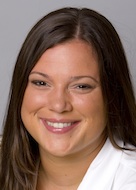
Alexis Hugelmeyer, D.O. is the wife of Michael, mother of Isabella, 5, and Lance, 3, and a family physician whose passion is hands-on manipulation for treatment and healing of any and every type of medical problem. She is the director of community outreach education at Peconic Bay Medical Center and also a private practitioner in Riverhead. A graduate of Villanova University and New York College of Osteopathic Medicine, she lives in Baiting Hollow.
Look for Dr. Mom every Sunday on Riverheadlocal.com
{loadposition tab20}
{loadposition tab1}
The survival of local journalism depends on your support.
We are a small family-owned operation. You rely on us to stay informed, and we depend on you to make our work possible. Just a few dollars can help us continue to bring this important service to our community.
Support RiverheadLOCAL today.
