




























Yesterday morning at 7:15, I was at Riverhead High School speaking to a classroom of 18-year-olds about the varied career options in healthcare. By 9 a.m., I was in my office teaching a woman with severe neck pain how wearing high heels is contributing to her muscular spasm. Then by 10:15, I was back in the high school cafeteria handing out Drug-Free Body ribbons and teaching kids about the dangers of alcohol poisoning on behalf of the Community Awareness Program. I got home at 2 p.m. and picked up where I left off with my five-year-old daughter’s lesson on the systems of the human body.
I’ve started many a lecture with the following introduction… the word “doctor” comes from the Latin verb “docere” which translates, “to teach.”
I never considered myself a teacher until I learned that little-known fact. But after thinking about the literal translation of the word, I realized just how much teaching I actually do in any given day.
Indeed, primary care medicine is all about teaching patients how to get well and stay well. And in practicing medicine I have found that the differentiating factor between patients who get better and those who do not is education.
What I do in my office, for 30-60 minutes with each patient, is lay the groundwork for the work that needs to be done after he leaves my office. In my exam room, I spend a lot of time taking history from the patients, doing the physical exam, using my hands to treat naturally. As I’m treating, I am also teaching the patients about their medical or musculoskeletal conditions. I explain the disease and tell them exactly what they need to do in order to get better – why they are the way they are, what the big medical terms like osteoporosis and atrial fibrillation mean, how to lay when they’re sleeping, what kind of shoes to wear, which type of exercise they should do, which medicines they should take and which they should avoid. I show them pictures, videos and use my skeleton model to demonstrate so they gain a solid understanding of physiology (the way things are supposed to work) and pathophysiology (the reason things don’t work.)
The patients’ level of understanding directly correlates with their perception of their care as well as their level of improvement. Those who understand their conditions feel empowered to make themselves better. They are more conscientious about their lifestyle and ergonomics and are more likely to comply with the prescribed plan. Those patients who do not attempt to understand, but instead just want me to “fix” them, are the ones who usually return in a week or two and state that they are no better.
Every patient of mine leaves the office with information about their medical condition from a trusted internet source such as Mayo Clinic. But they also get a Prescription for Wellness, which is a detailed plan, or homework, as I call it. It includes their personal list of exercises, the recommended medications and instructions for use, any equipment they might need, the names and numbers of referrals to other health services, and the timeframe in which they are to return for follow-up.
If you think about it, you are with your doctor anywhere from six minutes to 60 minutes. You don’t bring your doctor home with you, so you need to make sure that the time you spend with your doctor is valuable. During your office visit, you need to make sure that you have a good understanding of your medical conditions, so that you can become an active participant in your recovery or in maintaining your wellness.
Here are some suggestions to make the most of your time with your doctor. Since most physicians are very busy and have a lot of patients to see, being well-prepared for your office visit will ensure that you leave feeling informed and ready to take action.
1. When you call for an appointment, let the office staff know why you are coming. Docs will often allot more time for annual physicals than for sick visits. Also, if a procedure is going to be done, such as an EKG, pap smear or skin biopsy, the secretary will also need to schedule more time for you to spend with the doc.
2. Bring all your medications with you. Describing it as the-little-blue-round-one-with-an-X-on-it, does nothing to help us figure out which meds you are taking. Either keep a running list using an app or computer program or physically bring all the bottles. It is helpful for the physician to know the doses and instructions on each of your medications. This will also help avoid medication errors and taking multiple medications for the same problem.
3. Make a list of questions you have for your doctor. If you don’t understand what diverticulosis is, then ask! You would be shocked at how many people do not understand the pathology behind a disease they have and have been getting treatment for for years. Osteoarthritis is a great example in my practice. I see a lot of patients who have been diagnosed with the disease but have NO idea what it means. Also, if the doc prescribes a new medicine, make sure you ask questions so that you understand exactly what needs to be done. And finally, don’t leave the tricky questions for the end of the visit. Be open and honest – believe me, we’ve heard it all. A classic example, is a middle-aged gentleman who spends 15 minutes talking about his cholesterol and other things only to drop the can-you-prescribe-me-some-Viagra bomb as he’s walking out the door. Erectile dysfunction is not something you talk about in passing. The condition requires appropriate workup and physical exam as well as a lengthy discussion about how to use the medication and possible side effects. Put the most concerning questions first on your list of things to discuss.
4. If you have questions about treatment options, make sure you’re speaking to the right doctor. You may leave a doctor’s office very frustrated if you have questions that need to be answered by another type of doctor. For example, when patients ask me about the logistics of hip replacement surgery, I can give them general answers. But more specific questions, such as percentage rate of complications, I defer to the orthopedic surgeons who do these procedures on a daily basis.
5. Make sure your doctor understands you! Patients have different goals and desires when it comes to making medical decisions. In my practice, I often choose to prescribe natural medicines and use conservative approach to many illnesses and conditions. But some patients are not open to natural medications. Conversely, some patients will not take prescription medications and will only opt for natural means of getting and staying well. Some will avoid surgery at all costs while others are eager to do whatever it takes to get better as quickly as possible. If you’re not going to do physical therapy or if you’re not ready to go on a diet, let your physician know. If your doctor knows how you feel about your treatment, he or she can guide the conversation more toward treatment approaches that suit you. Although keep in mind, that all options for treatment should be offered.
6. Bring someone with you, especially if you have a hard time remembering details. Having a friend or loved one in the room can help you remember to ask certain questions as well as have another set of ears to help you understand what the doctor said once you leave. Also, sometimes family members will give a more honest assessment of your health than you will. A great example includes honesty about recreational substance abuse. Oftentimes a patient will admit to using alcohol socially, but his wife might chime in saying that he really drinks to excess on a regular basis. Passive bystanders may also be able to help the doctor assess whether or not you are improving. I have been treating a patient for chronic low back pain, and although the patient gauges her progress as minimal, her husband consistently reports that she is complaining less, is sleeping better, is taking less medication and is able to do more. His input helps me tremendously when it comes to adjusting the treatment plan.
7. Don’t waste your time with the doctor talking about your bill. This is why we have billers – they know the ins-and-outs of insurance companies, copays and EOBs. They can best help you navigate the world of HMOs, PPOs, and other acronyms that I’m not even aware of. Sure, I can spend the time to take a look at your bill, but we’re better off spending our time together talking about your health and leaving the money questions to the money people.
6. Make a follow-up appointment. Oftentimes you will leave the office only to think of a few more questions when you get home or after you’ve thought about things for a few days. Have an ongoing conversation with your doctor about things that concern you. Ask your doctor if he or she would mind answering questions via email, keeping in mind that some may charge for additional time associated with electronic communications that occur outside of the office. Make sure he or she stays informed about the progress of your treatment. Remember that your doctor is taking care of many patients at the same time. The closer the follow-up, the better the doc can monitor your progress and the more likely you are to get a hold of the disease. This is especially important if your doctor has ordered testing – getting the results and understanding what those results mean can be critical in helping both you and your doctor make the best decision for you.
In the current state of medical economics physicians are left with less and less time to spend with patients. By being prepared for your office visit, you can help make our time together meaningful. Your doctors are there for you and truly want to see you get well and stay well. EDUCATION, effective communication and understanding one another are the keys to achieving optimal wellness!

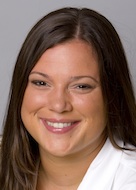
Alexis Hugelmeyer, D.O. is the wife of Michael, mother of Isabella, 5, and Lance, 2, and a family physician whose passion is hands-on manipulation for treatment and healing of any and every type of medical problem. She is administrative director of medical education and internship director at Peconic Bay Medical Center and also a private practitioner in Riverhead. A graduate of Villanova University and New York College of Osteopathic Medicine, she lives in Baiting Hollow.
Look for Dr. Mom every Saturday on Riverheadlocal.com
{loadposition tab20}
{loadposition tab1}
The survival of local journalism depends on your support.
We are a small family-owned operation. You rely on us to stay informed, and we depend on you to make our work possible. Just a few dollars can help us continue to bring this important service to our community.
Support RiverheadLOCAL today.
